 Mintherbal – Naturally Fit, Mindfully Fresh Natural health blog with herbal remedies, fitness tips & DIY beauty guides. Live well with nature. Fresh content, every leaf at a time.
Related Articles


📝Herbs for High Blood Pressure Relief – Natural, Safe & Effective Remedies🌿
Almost one-quarter of all adults in the United States have hypertension, or high blood pressure, a condition that can lead to heart disease, stroke, and other serious health problems. Although medication is regularly prescribed, there are a growing number of suffering individuals that are exploring natural options to control blood pressure. Discover the best herbal remedies for high blood pressure, which are evidence-based and have been proven for centuries with traditional healing practices, in this 10,000-word guide.
High Blood Pressure:
High blood pressure (hypertension) is when the force of blood against artery walls is consistently too high—usually above 130/80 mmHg. It is known as the “silent killer”, as it does not have any symptoms until it has affected areas to a large extent.
- Poor diet (especially high sodium)
- Stress
- Obesity
- Lack of physical activity
- Genetics
Good news? These plant-based treatments, along with a healthy lifestyle, can help to lower your blood pressure in a natural way.
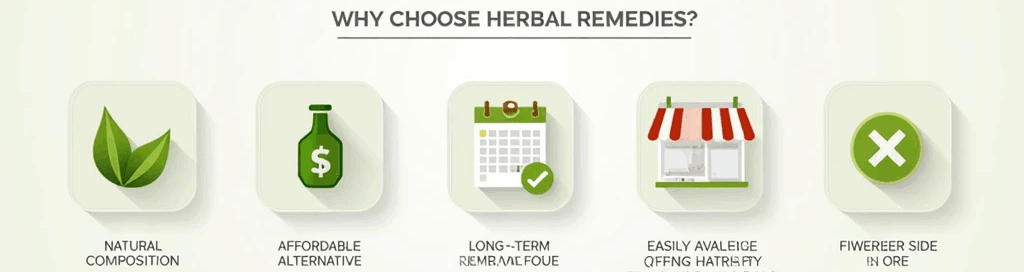
Why Choose Herbal Remedies?
- Cost-effective compared to prescription meds
- Almost no side effects when taken correctly
- Holistic benefits—supporting overall health
- Cultural trust in traditional medicine
🍃 Best Herbal Remedies for High Blood Pressure:

🌿 1. Garlic (Allium sativum)
- How it works: Increases production of nitric oxide, relaxing blood vessels
- Benefits: Reduces systolic and diastolic pressure
- How to take: 1–2 raw cloves/day OR 600–1,200 mg extract
- Top Tip: Take aged garlic extract
🌿 2. Hawthorn (Crataegus)
- Mechanism: Enhances coronary perfusion, decreases vascular resistance
- Benefits: Heart-strengthening, lowers BP
- Usage: 250–500 mg extract, 2–3 times/day
- Cons: Takes 2–3 weeks for effect
🌿 3. Hibiscus (Hibiscus sabdariffa)
- Operation: Diuretic, vasodilator
- Advantages: Lowers blood pressure in weeks
- Serving Size: 1–2 cups tea/day
- Pro Tip: Use unsweetened tea
🌿 4. Basil (Ocimum basilicum)
- Why it works: Rich in eugenol which reduces blood pressure
- How to use: Fresh in food or tea
- Side Note: Mild, good for long-term use
🌿 5. Cinnamon
- How: Reduces peripheral vascular resistance
- Instructions: 1–2 tsp/day in food or tea
- Note: Great for type 2 diabetics
🌿 6. Celery Seed (Apium graveolens)
- How it works: Diuretic, vasodilator
- Use: 1,000 mg/day or celery juice
- Top Tip: Combine with garlic for synergy
🌿 7. Flaxseed
- What it is: High in omega-3s
- Use: 2 tbsp ground daily
- Strengths: Reduces systolic/diastolic pressure
🌿 8. Cat’s Claw (Uncaria rhynchophylla)
- How it works: Dilates blood vessels
- How to use: 250–350 mg extract/day
- Warning: Avoid if pregnant or on blood thinners
🌿 9. Ginger
- How it works: Increases blood flow, relaxes vessels
- Uses: Fresh in food or 1–2 cups tea/day
🌿 10. Turmeric
- How it works: Anti-inflammatory, supports endothelial function
- Dosage: 500–1,000 mg curcumin (with black pepper)
- Pro Tip: Take with fat for better absorption

🍃 Ayurvedic Remedies for Blood Pressure:
| Benefit | Description |
|---|---|
| All Natural and Safe | No or Low Side Effects when taken properly |
| Holistic Healing | Supports overall cardiovascular health |
| Cost-Effective | Much cheaper than pharmaceuticals |
| Easy Access | Online and Health Stores |
| Multi-Functional | Many herbs treat multiple conditions |
Dose Instructions—How to Consume?
| Herb | Common Dosage | Best Form | Timing |
|---|---|---|---|
| Garlic | 600–1,200 mg/day | Capsules/Tablets | With meals |
| Hawthorn | 250–500 mg, 2–3x/day | Capsules/Tea | Morning & evening |
| Hibiscus | 1–2 cups/day | Dried Flower Tea | Morning or Afternoon |
| Flaxseed | 2 tbsp ground daily | Whole/Ground | With breakfast |
| Cat’s Claw | 250–350 mg/day | Capsules | Once daily |
| Celery Seed | 1,000 mg extract/day | Capsules or Juice | Morning |
🌺📜Adverse Reactions and Side Effects:
| Herb | Possible Side Effects | Precautions |
|---|---|---|
| Garlic | Bad breath, digestive upset | May thin blood in large doses |
| Hawthorn | Dizziness, nausea | Consult doctor if on heart meds |
| Hibiscus | Can lower BP too much | Avoid during pregnancy |
| Cat’s Claw | Dizziness, hypotension | Avoid in pregnancy or with blood thinners |
| Celery Seed | Photosensitivity | Don’t mix with diuretics |
| Turmeric | Heartburn, gas | Limit if sensitive or on blood thinners |
🚫Herbs to Be Avoided for High Blood Pressure:
- Licorice root – Can raise BP in large amounts
- Ephedra – Stimulant that elevates heart rate
- Yohimbine – Can increase anxiety and BP
🍃 How to Increase Effectiveness of Herbs?
- Exercise regularly (30 mins/day)
- Practice stress reduction (yoga, breathing)
- Lower sodium intake (<1500 mg/day)
- Eat potassium-rich foods (bananas, spinach)
- Stay hydrated
- Sleep 7–9 hours/night
Frequently Asked Questions (FAQs)
Q: Can I take herbal medicine instead of pills?
A: Sometimes, but always consult your doctor first.
Q: How long before results appear?
A: Some herbs (like hibiscus) work in a few weeks. Others (like hawthorn) may take longer.
Q: Can I mix multiple herbs?
A: Yes, but introduce gradually and monitor for interactions.
Q: Are these herbs safe in pregnancy?
A: Not all. Consult your OB/GYN before using.
📜Conclusion & Call to Action-
Conclusion:
Managing high blood pressure naturally is achievable. With the right combination of herbal remedies, lifestyle changes, and professional guidance, you can significantly improve your cardiovascular health.
👉 Start today! Pick one or two herbal remedies to add to your routine and always discuss changes with your healthcare provider.
💬 Found this guide helpful? Comment below, like, and share! Explore more of our natural health articles to continue your wellness journey.